You signed in with another tab or window. Reload to refresh your session.You signed out in another tab or window. Reload to refresh your session.You switched accounts on another tab or window. Reload to refresh your session.Dismiss alert
{{ message }}
Repository navigation
Reject spurious integrator clusters in state-space models - #1088
The ship heading plant in JuliaComputing/DyadControlSystems.jl#821 has no integrators, but ControlSystemsBase 1.25.0 counts ten. The expanding-radius heuristic introduced in #1077 eventually finds ten ordinary poles inside a radius of about 0.86 rad/s, even though the state matrix is nonsingular. This also supplies an excessively large tolerance to callers of integrator_excess_with_tol.
For state-space models, check a candidate integrator cluster against the rank of the balanced state matrix (A - I in discrete time). A full-rank matrix rejects the cluster and restores the simple-pole tolerance. Rank-deficient matrices retain the existing multiplicity heuristic, including its time-scaling and repeated-pole handling. A pivoted QR test supports BigFloat and Julia 1.10 without adding dependencies. The pole-only helper and its explicit tolerance argument are unchanged.
Validation: the ControlSystemsBase analysis suite passes 335 checks, including mixed fast/slow modes under rotations and time scaling, discrete-time modes near one, and repeated integrators with Float32, Float64, and BigFloat. The original ship autotuning reproducer also runs with zero integrator excess using this branch.
Full PR CI also passes: the ControlSystems and ControlSystemsBase test suites, documentation build, and coverage checks. All modified coverable lines are covered by tests.
This is an automated message.
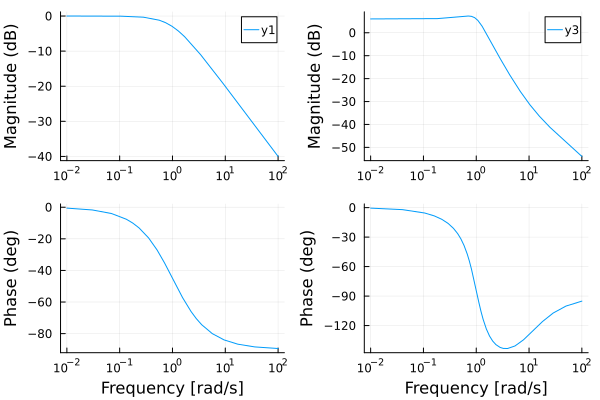
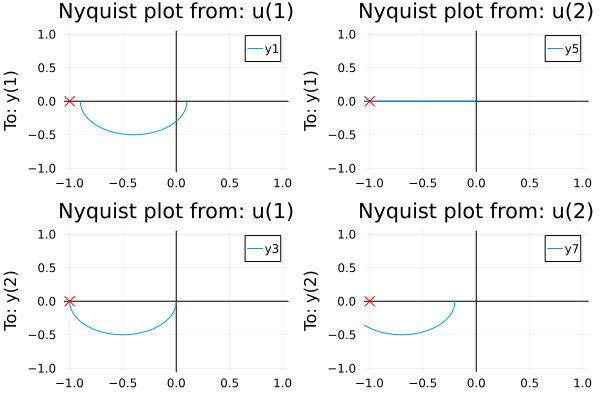
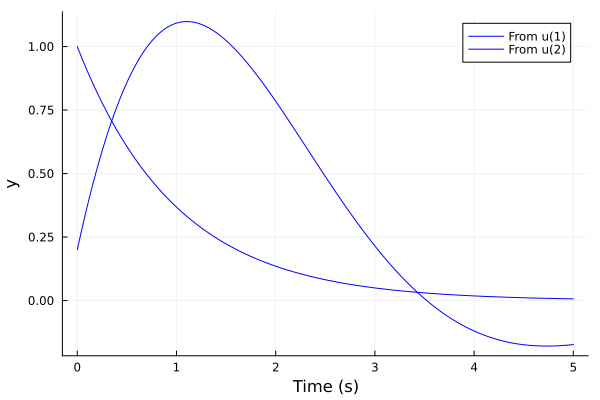
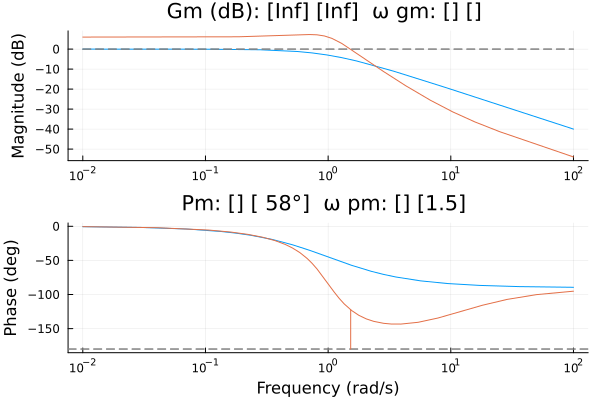
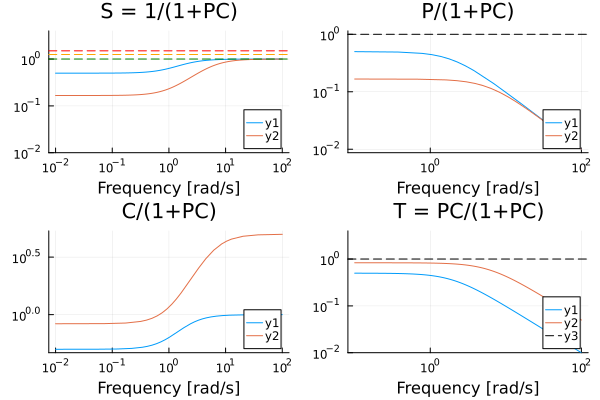
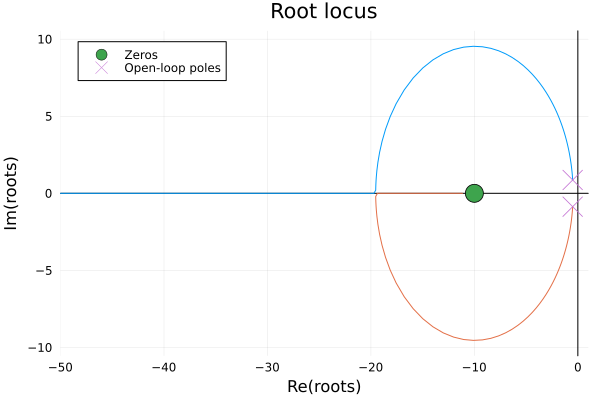
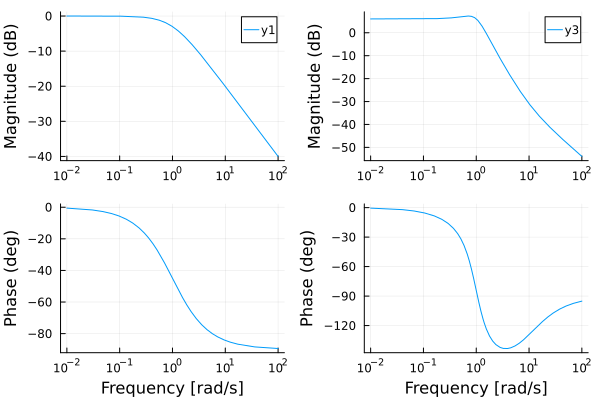
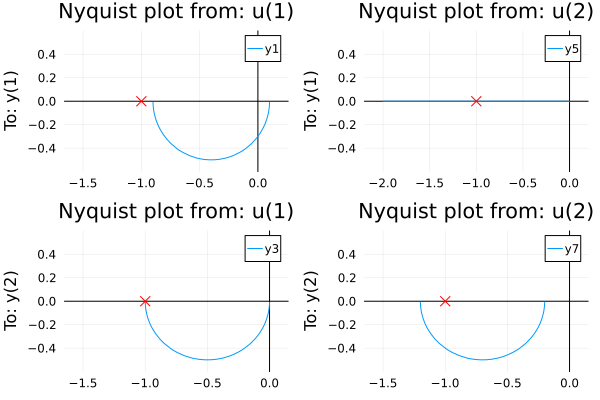
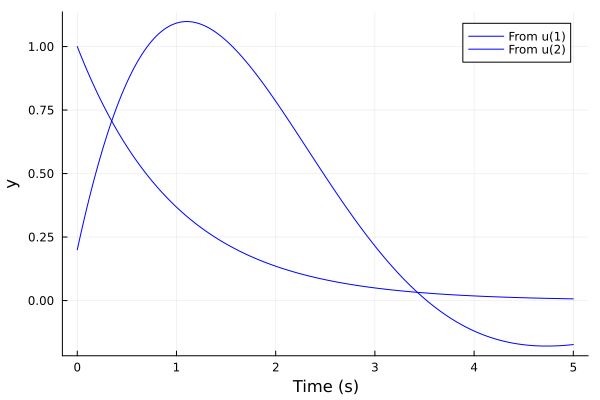
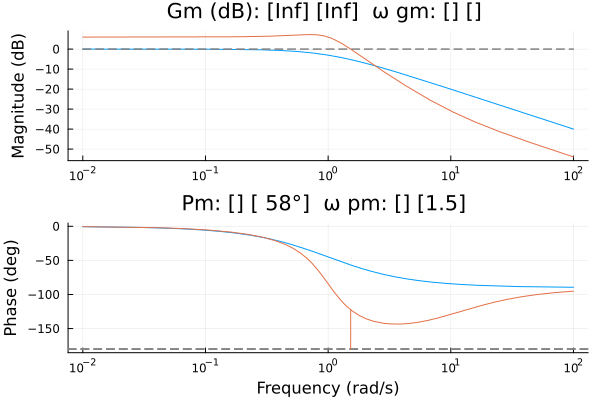
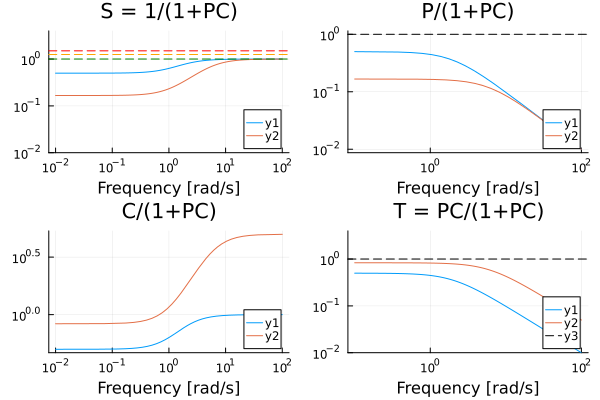
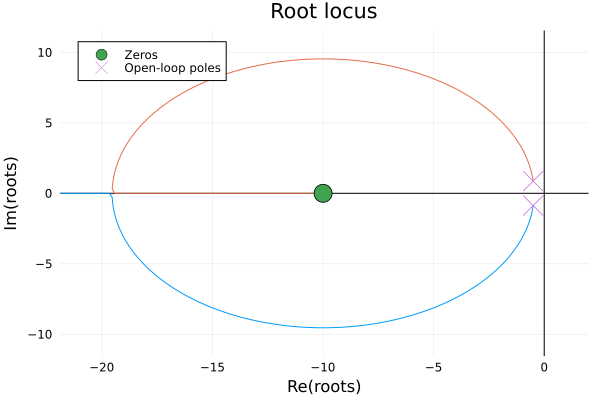
Plots were compared to references. 6/11 images have changed, see differences below.
After pulling this PR, please update the reference images by creating a PR to ControlExamplePlots.jl here.
This is an automated message.
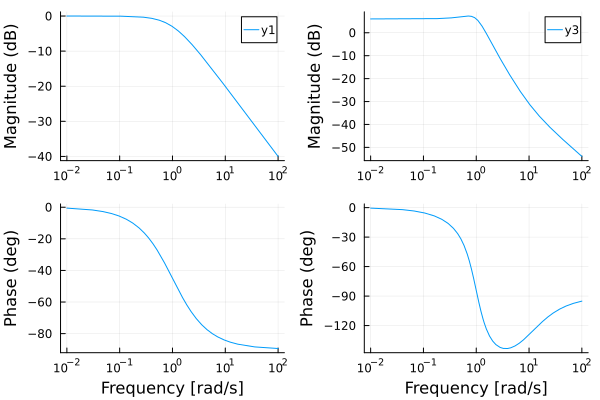
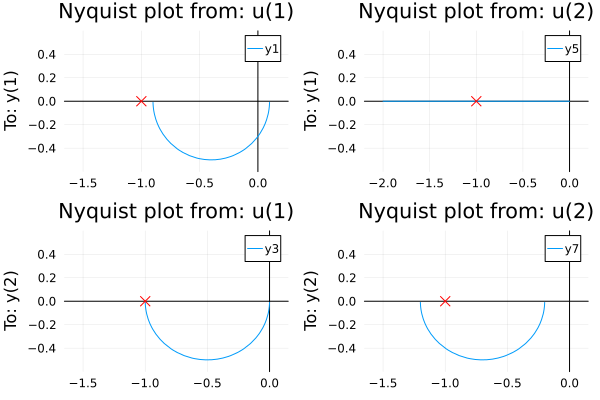
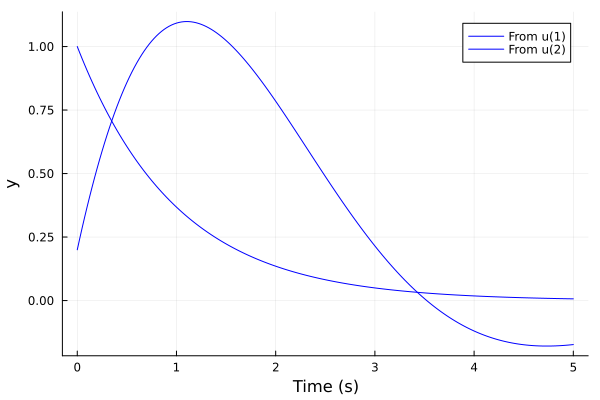
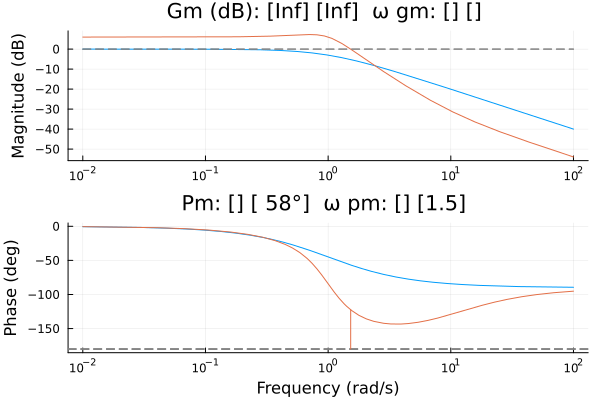
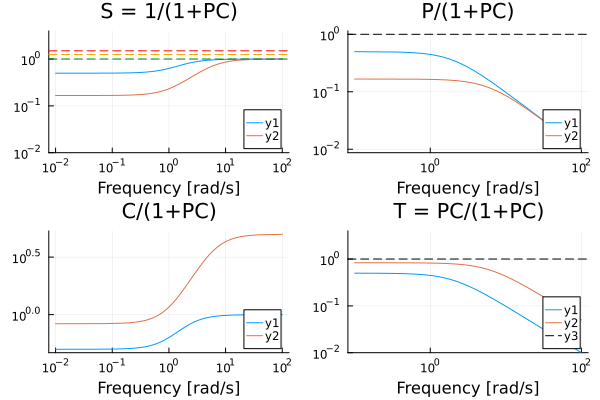
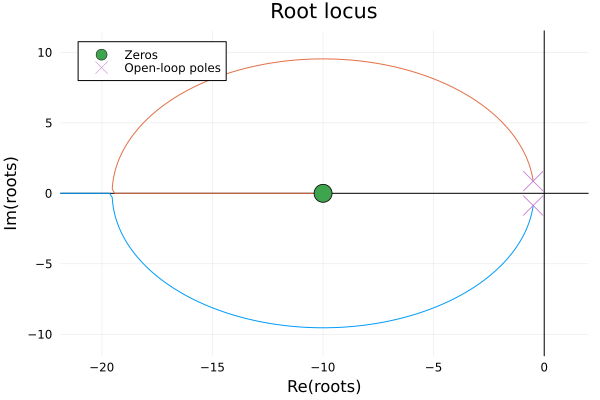
Plots were compared to references. 6/11 images have changed, see differences below.
After pulling this PR, please update the reference images by creating a PR to ControlExamplePlots.jl here.
This file contains hidden or bidirectional Unicode text that may be interpreted or compiled differently than what appears below. To review, open the file in an editor that reveals hidden Unicode characters.
Learn more about bidirectional Unicode characters
Add this suggestion to a batch that can be applied as a single commit.This suggestion is invalid because no changes were made to the code.Suggestions cannot be applied while the pull request is closed.Suggestions cannot be applied while viewing a subset of changes.Only one suggestion per line can be applied in a batch.Add this suggestion to a batch that can be applied as a single commit.Applying suggestions on deleted lines is not supported.You must change the existing code in this line in order to create a valid suggestion.Outdated suggestions cannot be applied.This suggestion has been applied or marked resolved.Suggestions cannot be applied from pending reviews.Suggestions cannot be applied on multi-line comments.Suggestions cannot be applied while the pull request is queued to merge.Suggestion cannot be applied right now. Please check back later.





The ship heading plant in JuliaComputing/DyadControlSystems.jl#821 has no integrators, but ControlSystemsBase 1.25.0 counts ten. The expanding-radius heuristic introduced in #1077 eventually finds ten ordinary poles inside a radius of about 0.86 rad/s, even though the state matrix is nonsingular. This also supplies an excessively large tolerance to callers of
integrator_excess_with_tol.For state-space models, check a candidate integrator cluster against the rank of the balanced state matrix (
A - Iin discrete time). A full-rank matrix rejects the cluster and restores the simple-pole tolerance. Rank-deficient matrices retain the existing multiplicity heuristic, including its time-scaling and repeated-pole handling. A pivoted QR test supports BigFloat and Julia 1.10 without adding dependencies. The pole-only helper and its explicit tolerance argument are unchanged.Validation: the ControlSystemsBase analysis suite passes 335 checks, including mixed fast/slow modes under rotations and time scaling, discrete-time modes near one, and repeated integrators with Float32, Float64, and BigFloat. The original ship autotuning reproducer also runs with zero integrator excess using this branch.
Full PR CI also passes: the ControlSystems and ControlSystemsBase test suites, documentation build, and coverage checks. All modified coverable lines are covered by tests.